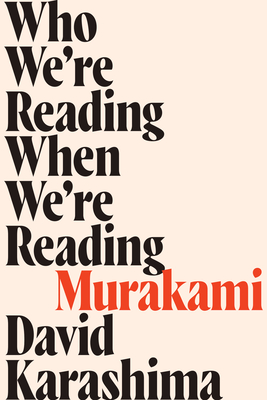

David Karashima-യുടെ “Who We’re Reading When We’re Reading Murakami” എന്ന പുസ്തകം പരിഭാഷാ ദിനത്തിൽ വായിയ്ക്കുന്നത് കൗതുകമായിരിയ്ക്കും. ആരൊക്കെ, എങ്ങനെയൊക്കെയാണ് മുറാകാമിയെ ഇംഗ്ളീഷിൽ എത്തിച്ചത് എന്നാണ് ഈ പുസ്തകത്തിൽ – വായനയിൽ അത്ഭുതപ്പെടുത്തുന്ന പല കാര്യങ്ങളും ഞാൻ കാണുകയുണ്ടായി. ന്യൂ യോർക്കർ പ്രസിദ്ധീകരിച്ച കാമിയുടെ പല കഥകളിലെയും സെക്സ് ടോൺ ഡൗൺ ചെയ്തു എന്നതാണ് ഒരു സംഗതി (നമ്മൾ വായിച്ചിട്ടുള്ള കഥാസമാഹാരങ്ങൾ ഒറിജിനൽ ഉള്ളടക്കത്തോടെയാണ് വന്നിട്ടുള്ളത്). അമേരിക്കൻ മാർക്കറ്റിനുവേണ്ടി പല ജാപ്പനീസ് കൾച്ചറൽ സംഗതികളും അമേരിക്കനൈസ് ചെയ്തു എന്നതാണു മറ്റൊന്ന്. Hard Boiled എന്ന നോവലിലെ ചില ഭാഗങ്ങൾ മൊത്തമായി എഡിറ്റർമാർ നീക്കം ചെയ്തുപോലും (“ഗേൾ ഇൻ പിങ്ക്”, വായിച്ചവർക്കറിയാം). ഏറ്റവും വലിയ വെളിപ്പെടുത്തൽ ഇതൊന്നുമല്ല മുറകാമിയുടെ ഏറ്റവും മികച്ച വർക്ക് ആയ The Wind-Up Bird Chronicle, 25000 words മുറിച്ചുകളഞ്ഞ രൂപത്തിലാണ് നമ്മളൊക്കെ വായിച്ചിട്ടുള്ളത് എന്നതാണ്(wow).
“Knopf under Sonny Mehta being the finest, best publisher in the US, knew how to publish it. The Chip Kidd jacket art was eye-catching, dazzling. But I was disappointed editorially. The prose—of the translation, that is—had no tightness, it was flabby, and the novel went on and on and on far too long, didn’t keep my interest, and didn’t resolve organically. And this after something like 25,000 words had to be cut almost arbitrarily. It should have been cut more. I don’t think my response was proprietary in any way—I really tried to keep myself out of it—it was an honest, fair response and one, when I reread the book last year, I had all over again. But the book made its mark, made a huge splash, and some critics loved it. Not all did, but those who did were utterly crazy about it. I was not vocal about my criticism because I also thought that as I was no longer working with Haruki I should back off, let others do their job without any noise from me. I think I wrote to Haruki to say what a great job Knopf had done and how beautiful the book was. And now, twenty years later, what the Wind-Up Bird achieved is history. No one can argue with that.”
(പുസ്തകത്തിൽ നിന്നും)
സത്യത്തിൽ നമ്മളൊക്കെ പരിഭാഷയിൽ എന്തൊക്കെയാണ് വായിയ്ക്കുന്നത് എന്ന ഒരത്ഭുതം ഈ പുസ്തകം വായിച്ചു കഴിഞ്ഞാലുണ്ടാകും. ഒരു സുഹൃത്ത് പറഞ്ഞത് – ഈ പുസ്തകങ്ങൾ മൊത്തം റീപ്രിന്റ് ചെയ്ത് മുറകാമി ഇനിയും പണമുണ്ടാക്കും എന്നാണ് – അയാളുടെ പരിഭാഷകളുടെ റൈറ്റ്സ് എല്ലാം അയാൾ വാങ്ങുകയാണ് പതിവത്രെ (നമ്മുടെ ശശിധരൻ ചെയ്ത പരിഭാഷ മുറകാമി വാങ്ങുമോ എന്ന് വേണമെങ്കിൽ ചർച്ച ചെയ്യാവുന്നതാണ്, lol).
*
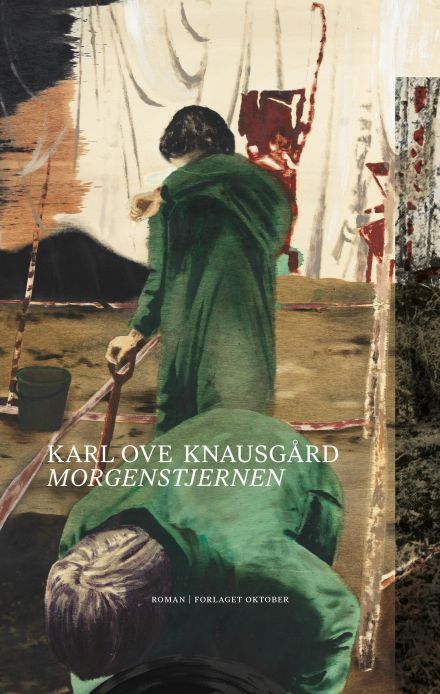
കൺടെംപററി എഴുത്തുകാരിൽ ഗ്രേറ്റ് എന്ന് വിശേഷിപ്പിയ്ക്കാവുന്ന വളരെ കുറച്ചു എഴുത്തുകാരിൽ ഒരാളായ Knausgaard -ന്റെ പുതിയ നോവലായ “Morgenbladet” (The Morning Star) വരുന്നതാണ് ഇന്നേ ദിവസം ഏറ്റവും സന്തോഷമുള്ള കാര്യം. “In ‘My Struggle,’ I pushed back again the fictionalization of reality. In this book, I think, I push back against the categorization of reality.” എന്നാണയാൾ ഒരു അഭിമുഖത്തിൽ പറഞ്ഞത്. നോവൽ സെപ്റ്റംബർ 18-ന് നോർവെയിലും സ്വീഡനിലും ഇറങ്ങി – ലോഞ്ചുമായി ബന്ധപ്പെട്ടു ഒരു Zoom സെഷനുള്ള invite ഒരാൾ അയച്ചു തന്നെങ്കിലും ഭാഷ നോർവീജിയൻ/സ്വീഡിഷ് ആയതുകൊണ്ട് കയറിയില്ല – സൂമിൽ subtitles കിട്ടില്ല എന്നതുകൊണ്ട്. ലോകം ചെറുതാവുകയാണ് എന്നതിന്റെ വേറൊരു ലക്ഷണം. ആദ്യ റിവ്യൂകൾ വളരെ പോസിറ്റീവ് ആണ് എന്നാണ് കേൾവി. ലോകത്ത് ഏറ്റവും പ്രതീക്ഷയോടെ വായനക്കാർ കാത്തിരിയ്ക്കുന്ന നോവൽ ഇതായിരിയ്ക്കുമെന്നു തോന്നുന്നു.
*
ഫിറാന്തേയെ തുടർച്ചയായി വായിയ്ക്കുന്നതിന്റെ സംഗതി ഞാൻ മുൻപേ പോസ്റ്റ് ചെയ്തിരുന്നല്ലോ, നിയപൊലിറ്റൻ സീരീസിലെ മൂന്നാം പുസ്തകത്തിലാണ് ഞാനിപ്പോൾ (എന്റെ മുൻ പോസ്റ്റ് ഇവിടെ :- https://melethilwrites.wordpress.com/2020/09/09/ഫിറാന്തേയുടെ-വികസിച്ചുക/). വളരെ കൗതുകകരമായ സംഗതികൾ പലതും എന്റെ ശ്രദ്ധയിൽ പെടുകയുണ്ടായി അതിനെക്കുറിച്ചു വിശദമായി എഴുതാനുണ്ട്. അവരുടെ പരിഭാഷകയായ Ann Goldstein അടുത്തിടെ വോഗിൽ അവർ പരിഭാഷയിൽ ബുദ്ധിമുട്ടിയ ഭാഗങ്ങളെപ്പറ്റി എഴുതിയിരുന്നു – ലിങ്ക് നോക്കുക :- https://www.vulture.com/article/elena-ferrante-hardest-lines-ive-translated.html
സാമ്പിൾ :-
Italian: “Mia zia allora si rivolse di scatto a quest’ultimo e gli disse che gli avrebbe tagliato il pesce – usò proprio quel vocabolo, in dialetto, con voce tranquilla, brandendo le forbici – se continuava a ridere.”
English: “My aunt turned to him abruptly and said she would cut off his /pesce/ —she used precisely that dialect word, /pesce/, fish, in a calm voice, brandishing the scissors—if he kept laughing.”
Ferrante’s novels are filled with Neapolitan dialect; they delineate who is upper crust and who shares a bedroom with all four of their siblings. In /My Brilliant Friend/, Elena’s continued education improves her traditional Italian to the point that it marks her as different from her friends. For /The Lying Life of Adult/ s, the distinction is again important: Giovanna grows up with professors for parents and dialect is as foreign to her as the streets of the working-class neighborhoods down the hill from her well-perched apartment.
Here, when fiery Vittoria threatens to chop off a man’s penis, Goldstein wondered to herself, “[Should I] just use a slang word in English?” I ask her which ones she considered. “Oh, well, I had /pecker/, /dick/. I had some other ones, too, I can’t remember. I probably don’t have that good a vocabulary in these things,” she laughs. But she decided to stick with exactly that word,/pesce,/ and all its slimy connotations. It’s a far less, ahem, staid term than /sesso/, which translates as genitals, which Goldstein reminds me is “what Ferrante uses through the whole Neapolitan novels, practically.”
(ലേഖനത്തിൽ നിന്നും)
*
കുറച്ചു ക്വോട്ടുകൾ കവി Ilya Kaminsky-യുടെ വക. പരിഭാഷയെപ്പറ്റി തന്നെ :).
“Translation is the art of failure”
—Umberto Eco
“Poetry is what is lost in translation”
—Frost
“Poetry is what is found in translation”
—Octavio Paz
“Every great age of poetry is the great age of translation”
—Pound
Thanks for the info. Waiting for the Knausgard book 🙂
Same here 🙂 but there are no dates , yet.
Thanks for the info. Waiting for the Knausgard book 🙂
Same here 🙂 but there are no dates , yet.
I have heard about the book the other day on Twitter. It is getting mixed response in his native (from what I have pieced together from the Twitter conversation). I had heard that a collection of essays is due in the coming January. Well, I think the new novel would take time to get published in English. Katta Waiting.
I asked a reader friend from there, he thinks English versions will be delayed(pandemic?). But yeh, excited. I am re-reading book 5 of Min Kampf and it has many details i had missed b4 (things like, a comment abt Hamsun’s writing, for example – his use of tenses etc ). He is not a writer to be missed.
I have heard about the book the other day on Twitter. It is getting mixed response in his native (from what I have pieced together from the Twitter conversation). I had heard that a collection of essays is due in the coming January. Well, I think the new novel would take time to get published in English. Katta Waiting.
I asked a reader friend from there, he thinks English versions will be delayed(pandemic?). But yeh, excited. I am re-reading book 5 of Min Kampf and it has many details i had missed b4 (things like, a comment abt Hamsun’s writing, for example – his use of tenses etc ). He is not a writer to be missed.
Pingback: മുറകാമി സാഹിത്യം – Bookmark
Pingback: മുറകാമി സാഹിത്യം – Bookmark